


All about Teambuilding & Event Management
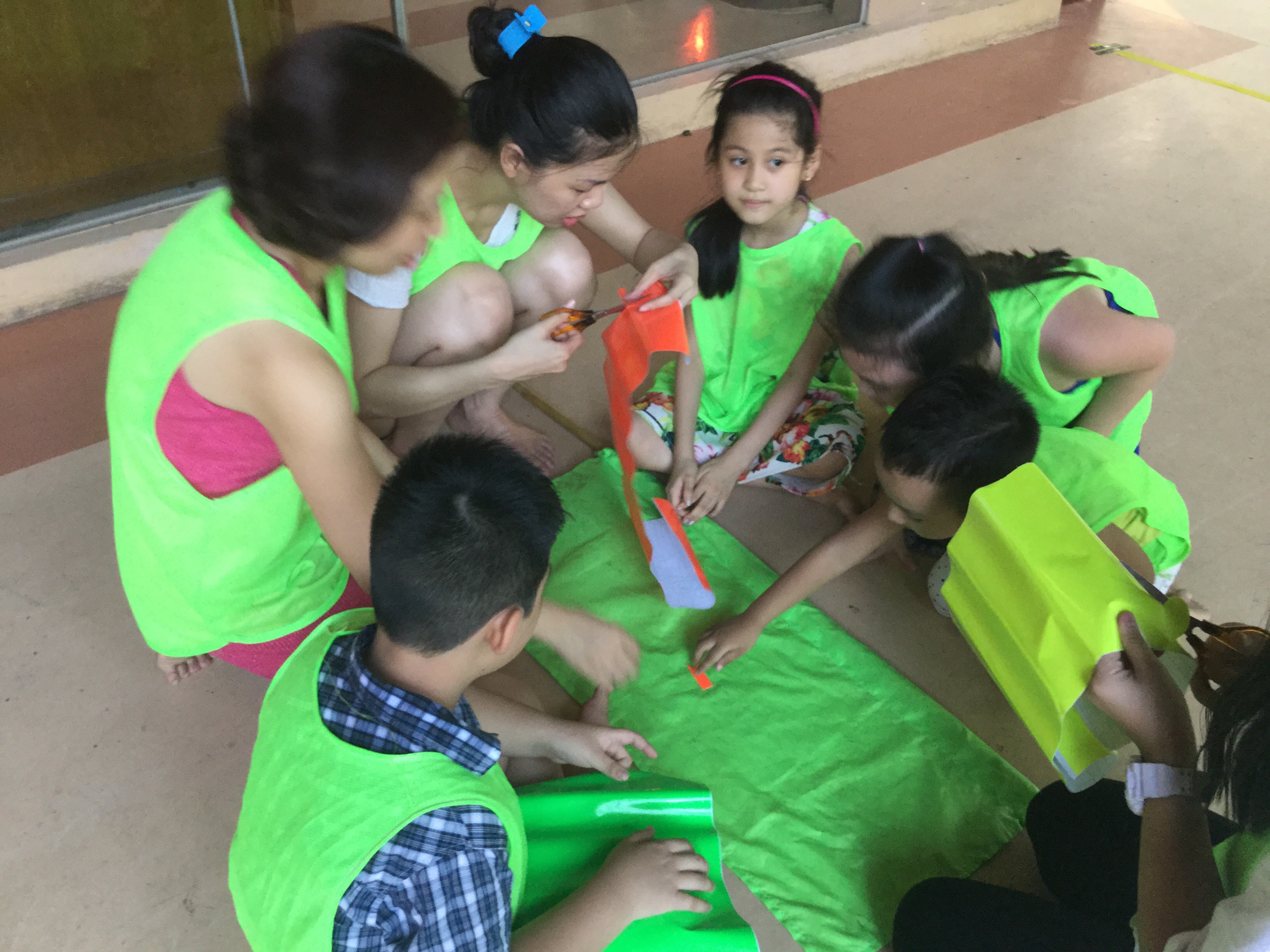
Four Types Of Team Building Activities
Each team building depends on the size of the team and the types of issues that may be inhibiting good teamwork.
Individuals
In a project environment, where team composition is continually changing, the emphasis must be on selecting people who are self-starters and developing the skills in individuals to become effective team members very quickly. The 'scale' involved is 1 person, and the team building consultant or trainer is endeavoring to change the skills and abilities of the individual at operating within a team (or within multiple teams).
Small Teams
In teams where membership is static - typically in management teams - the motivational challenge is to align the drive of the disparate individuals around the same goals. There can be many inhibitors to performance: personality, dynamics, processes etc., and how the individuals within the team relate to each other can have a big bearing on team performance. So, if a member leaves, or another joins, the dynamics of the team can be changed greatly and the task of team building has to start again. Here, the scale is small - say, 2 to about 12 - and the main priorities are to build the foundation of collective ownership of team objectives, and then overcome inhibitors through team bonding, facilitation, processes.
Team Islands
A larger scale operates between teams. Where the teams do not relate well, they are called 'team islands'. The motivational challenge is to overcome the problem of "in/out groups" so that people have positive attitudes towards those in other teams. There are often many barriers between teams that inhibit team performance, but not all of them can be removed. The main task, therefore, is the bridging, or relationship, between the teams.
Large Teams
The largest scale is organisational culture change. With the exception of the senior management team, any changes to personnel have limited impact on the corporate culture. The key aim of company-wide team building is to change the behaviours and attitudes prevalent in the organisation, which are almost independent of who actually works there - new recruits who are 'different' often start behaving in accord with the existing culture.
In a project environment, where team composition is continually changing, the emphasis must be on selecting people who are self-starters and developing the skills in individuals to become effective team members very quickly. The 'scale' involved is 1 person, and the team building consultant or trainer is endeavoring to change the skills and abilities of the individual at operating within a team (or within multiple teams).
Small Teams
In teams where membership is static - typically in management teams - the motivational challenge is to align the drive of the disparate individuals around the same goals. There can be many inhibitors to performance: personality, dynamics, processes etc., and how the individuals within the team relate to each other can have a big bearing on team performance. So, if a member leaves, or another joins, the dynamics of the team can be changed greatly and the task of team building has to start again. Here, the scale is small - say, 2 to about 12 - and the main priorities are to build the foundation of collective ownership of team objectives, and then overcome inhibitors through team bonding, facilitation, processes.
Team Islands
A larger scale operates between teams. Where the teams do not relate well, they are called 'team islands'. The motivational challenge is to overcome the problem of "in/out groups" so that people have positive attitudes towards those in other teams. There are often many barriers between teams that inhibit team performance, but not all of them can be removed. The main task, therefore, is the bridging, or relationship, between the teams.
Large Teams
The largest scale is organisational culture change. With the exception of the senior management team, any changes to personnel have limited impact on the corporate culture. The key aim of company-wide team building is to change the behaviours and attitudes prevalent in the organisation, which are almost independent of who actually works there - new recruits who are 'different' often start behaving in accord with the existing culture.
Similar

Online Support
| Ms Yen Team Leader - 01 | ||
| 096264.1166 |  |
|
| Mr Thoa Consultant -02 | ||
| 0906.258.502 | |
|
| Mr Hợp Consultant - 03 | ||
| 0904.596.138 | |
|
| Ms Mai Consultant - 04 | ||
| 0974 744 114 | |
|
| Ms Hà Consultant - 05 | ||
| 0962.589.987 | |
|
| Ms Ha - Manager | ||
| 0988 678 064 | |
|
Ordinary Event
Specialized Event
Annual Event
Many famous foreign companies in Vietnam became the main partners of Hanoi ETV such as: Puma energy, Addon Development, Vestergaard Frandesen, AkzoNobel, Prentow Vietnam… or many famous brands in the same manner with Techcombank, K+, FPT soft, Gerber Sientific Internation, and Vietnam airline…. More infor Click
ETV in Hanoi Head Office: 57 Lương Ngọc Quyến Str, Hoàn Kiếm Dis, Hà Nội, Vietnam Head Office: 57 Lương Ngọc Quyến Str, Hoàn Kiếm Dis, Hà Nội, VietnamOffice: 2nd Floor, No.1/51 Đốc Ngữ Str, Liễu Giai,Ba Đình Dist,Hà Nội.  04 667 188 13 Fax: 04 3926 4835 04 667 188 13 Fax: 04 3926 4835 etv@hanoiteambuilding.com/ info@hanoiteambuilding.vn etv@hanoiteambuilding.com/ info@hanoiteambuilding.vn |
Hanoi ETV Media and Travel JSC., License: 0106055496 issued by Hanoi Authority for Planning and Investment Representative: Nguyễn Thị Thu Hà/Ms Hotline : 0988.678.064 - Ms Hà |
 Copyright |